
Texas Child Health Access Through Telemedicine (TCHATT)
Some of the reasons students get referred to TCHATT:
Anxiety
Anger
Changes in appetite
Easily frustrated
Fear of going to school
Attention Deficit/Hyperactivity Disorder (ADHD)
Mood changes
Out of-control behavior
Sadness
Self harm or talking about hurting themselves
Depression
Sleeping a lot or not being able to sleep
The impacts of bullying
Unable to focus
Withdrawing from friends
Some of the Benefits of TCHATT:
Services are free of charge.
Your child can access virtual therapy sessions at no cost to the school or to your family.
Services are provided by people with experience in children's mental health.
Your child and family have access to staff who are trained to work with youth and their families. This includes child and adolescent psychiatrists who are doctors that can help assess your child's need for on-going treatment.
Services are available to elementary, middle school and high school students.
Children from kindergarten through high school have access to services - if their school is involved in TCHATT. We hope to identify your child's needs early - so they can get help before problems get too severe.
When TCHATT services have ended, you have access to a range of other services to support your child's health and wellbeing.
We know that helping children often takes a village. TCHATT goes beyond your child’s virtual therapy sessions and offers support through:
Counselors, teachers, administrators and staff at your child’s school. We can train people at your child’s school about children's mental health and how to seek help. If you give us permission, we can give the school counselor a general overview of your child’s progress without sharing sensitive information. This helps your child’s school know how they can support your child’s needs.
Our TCHATT Clinicians are all licensed therapists (LCSW, LPC, LMFT, LPC-A, LMSW). TCHATT Clinicians are assigned to certain school districts to develop relationships with families and counselors. They are also here for you - to answer questions or discuss concerns with you and your child.
We know how much your child means to you and we want to support you. If a parent you know recommends a therapist in our program, we will do our best to make sure your child gets paired with that therapist. We can also work with the behavioral health provider at your home clinic, if that makes it easier for you.
How to access TCHATT
We need your permission for your child to use this service; your student’s counselor will provide links to online consent forms, or paper copies if that’s more convenient for you. We also want to keep you in the loop about your child’s care. We’ll offer parenting solutions to support your child’s mental health at home and provide you with consistent updates.
You can also join sessions. In most cases, you don’t need to travel to an office and your child doesn’t need to leave school. You can also sign a digital consent form and access ongoing follow-up care to make sure your child continues to make progress.
Please check if your student’s campus participates at: https://tcmhcc.utsystem.edu/tchatt/
What we do
First, we meet with you and your child to ask questions and identify their needs. This may involve filling out forms so we have a better idea about what is going on and why the TCHATT referral was made. Afterward, we offer short-term counseling, called Cognitive Behavioral Therapy (CBT) which focuses on helping your child come up with new ways to cope with their emotional struggles. Offering telebehavioral health at your child’s school means they don't have to leave campus to access services.
Youth today are comfortable with technology. They use it to relate to and communicate with one another every day, so it can make your child feel safe in a therapy context.
Technology can also give your child a sense of control over their environment. Having control over how much of their face is visible during those tougher conversations can empower your child in a positive way, especially during tough conversations.
Some of the reasons TCHATT may not be a good fit:
Telebehavioral health is a wonderful resource, but it may not be for everyone. Some children's needs may require more immediate, emergency or crisis services. Examples include if your child is:
Experiencing hallucinations
Needing a provider who can prescribe medications for their behavioral health needs
Whose safety is compromised by their mental health
Whose mental health compromises the safety of those around them
Lack maturity to complete a virtual therapy session
History of severe trauma
If your child is in a mental health crisis, please call 911
Meet the care team
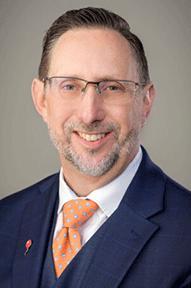
Jason Isham, LMFT, CCM
Sr. Director of Integrated Behavioral Health
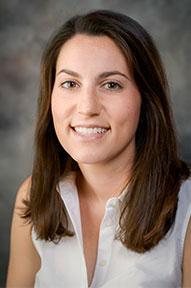
Elizabeth Widtfeldt, LPC-S
Director, Behavioral Health
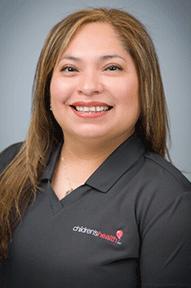
Sulema Alonso
Care Assistant
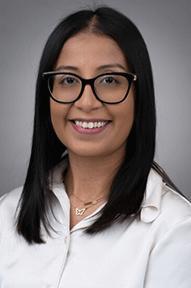
Yesenia Altamirano
Case Manager
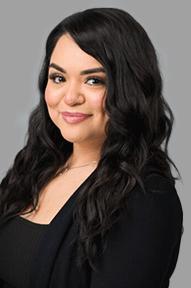
Karen Alvarado
Outreach Coordinator
Amy Beachem, LPC-S
TCHATT Clinician
Aishah Bilal, LCSW-S
TCHATT Clinician
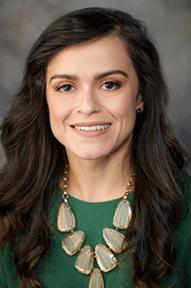
Esmirna Corona, LCSW-S
Team Lead
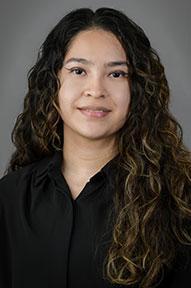
Adriana Diaz
Care Assistant
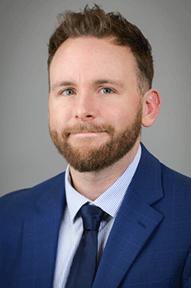
Stephen Fauss
Outreach Coordinator
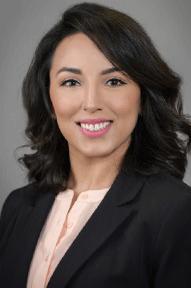
Ambar Fuentes, LPC
TCHATT Clinician
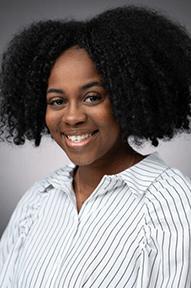
Jillian Goss, LPC-A
TCHATT Clinician
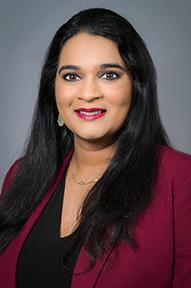
Mehak Gupta, LPC
TCHATT Clinician

Mark Harbec, CHW
Outreach Coordinator
Jessica Heerschap, PhD
TCHATT Psychologist
Ila Iverson
Psychology Trainee
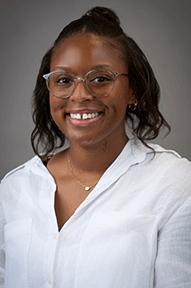
Danielle Jackson
Care Assistant
Jennifer Jefferson, LPC-S
TCHATT Clinician
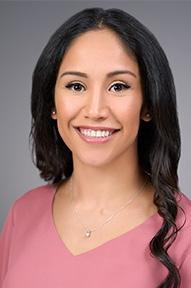
Diana Johnson, LCSW
TCHATT Clinician
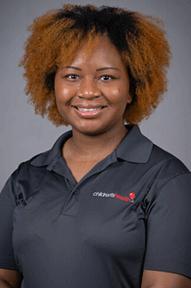
Breonte Jones
Care Assistant
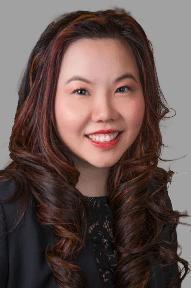
Celes Keene, LMSW
TCHATT Clinician
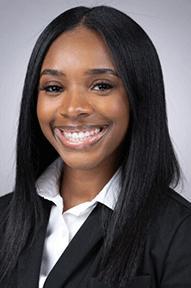
Breontony Love
Case Manager
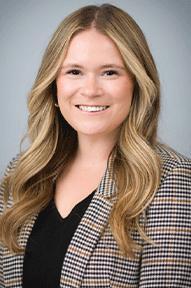
Madison Lowrie, LPC
TCHATT Clinician
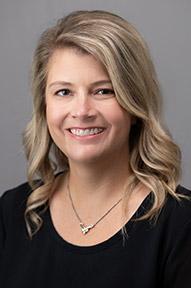
Kelly Merendon, LPC-S
Sr. Behavioral Health Care Manager
Dennis Minnard
Care Assistant
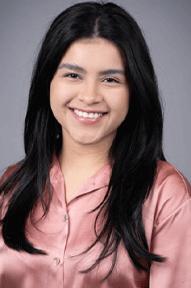
Mariela Mora
Care Assistant
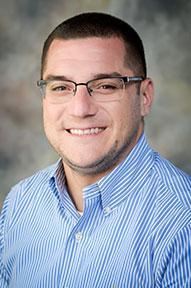
Will Nixon
Sr Enterprise App Analyst
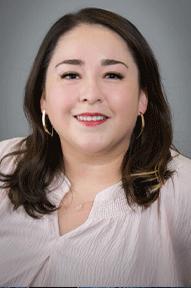
Carolina Ordóñez, LPC-S
TCHATT Clinician
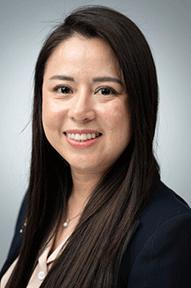
Marisol Park, LPC-A
TCHATT Clinician
Giselle Ramirez
Care Assistant
Maria Ramirez, LCSW
TCHATT Clinician
Yadira Reyes, LPC
TCHATT Clinician
Diana Richardson
Case Manager
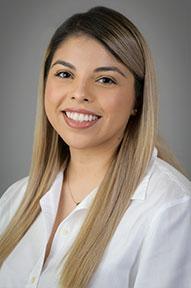
Estela Sanchez
Care Assistant
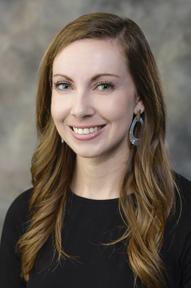
Vanessa Simpson, LCSW-S
TCHATT Manager
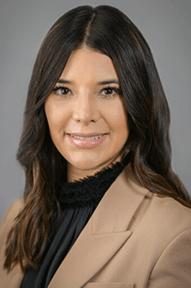
Rosanna Steele, LPC-S
Team Lead
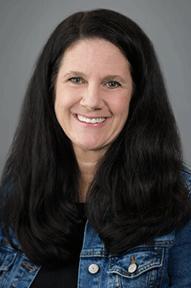
Suzanne Stephens, LCSW-S
TCHATT Clinician
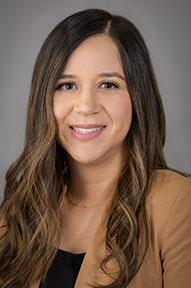
Llurisel Tamez, MBA
Manager Behavioral Health Access and Case Coordination
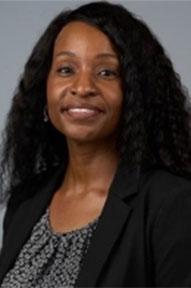
Trinity Ward, LPC-S
TCHATT Clinician
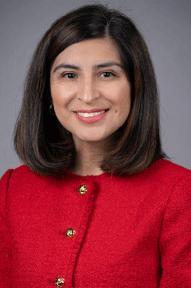
Mayrani Velazquez, MBA
Manager, Behavioral Health Stakeholder Engagement
Tyquia Vontress
Case Manager
Share:


